As a psychologist, I have witnessed firsthand how stress and anxiety can impact lives. Stress and anxiety have become pervasive challenges in modern India, affecting people across all walks of life. The demands of urban living, societal expectations, and the pressure to succeed often leave individuals feeling overwhelmed and disconnected. In this blog, we will explore the crucial role of counseling in managing these challenges, focusing on therapeutic approaches like Cognitive Behavioral Therapy (CBT) and mindfulness-based therapies.
Understanding Stress and Anxiety
Stress is a general term that encompasses both psychological (emotional disturbance) and physiological (nervous system dysregulation) aspects. While therapy primarily addresses the psychological aspects, incorporating some physiological interventions is also essential. Anxiety, on the other hand, often leads to avoidance or excessive control, which can exacerbate symptoms and manifest physically.
Therapeutic Approaches
Cognitive Behavioral Therapy (CBT)
CBT offers a holistic view of understanding and coping with emotional disturbances. It helps identify subconscious thinking patterns that contribute to emotional distress, preventing individuals from addressing practical problems effectively. By recognizing these patterns, individuals can learn to shift their thoughts and behaviors, leading to more effective problem-solving.
Mindfulness-Based Therapies
Mindfulness-based therapies focus on regulating the nervous system, balancing the sympathetic (fight or flight) and parasympathetic (rest and digest) responses. This approach teaches individuals to observe negative thoughts without engaging with them, reducing the likelihood of physical symptoms like headaches or palpitations.
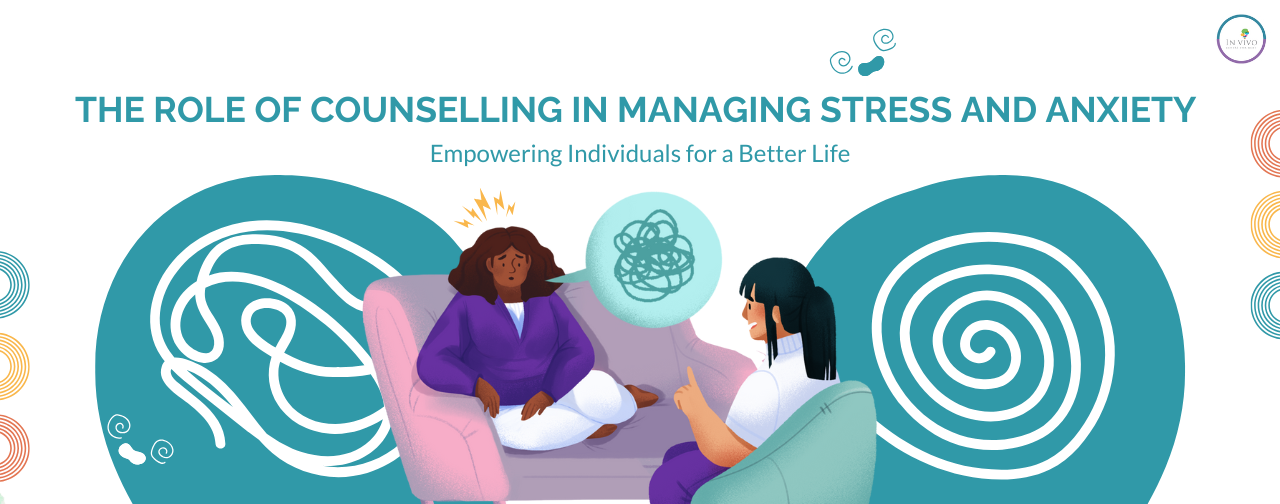
What to Expect from Counselling Sessions
Counselling sessions provide more than just empathetic listening. A trained therapist offers:
- Compassionate Understanding: A non-judgmental space to explore your problems.
- Specific Tools: Techniques to identify and address issues, making relevant shifts in thoughts and behaviors.
- Guided Implementation: Support through challenging parts of the change process.
- Feedback: Regular feedback to ensure progress and adjust strategies as needed.
Empowering Individuals
Counselling empowers individuals by helping them identify their strengths and resources. By leveraging these assets, individuals can face and cope with challenges more effectively. This approach goes beyond mere emotional support; it equips individuals with long-term strategies for managing stress and anxiety.
Conclusion
In today’s fast-paced world, stress and anxiety are common challenges. Counselling offers a powerful tool for managing these issues by providing a structured approach to understanding and addressing emotional disturbances. At In Vivo, we believe in empowering individuals to take proactive control of their lives through evidence-based therapies like CBT and mindfulness-based interventions. If you’re struggling with stress or anxiety, consider reaching out to a professional therapist who can guide you toward a more balanced and fulfilling life.